
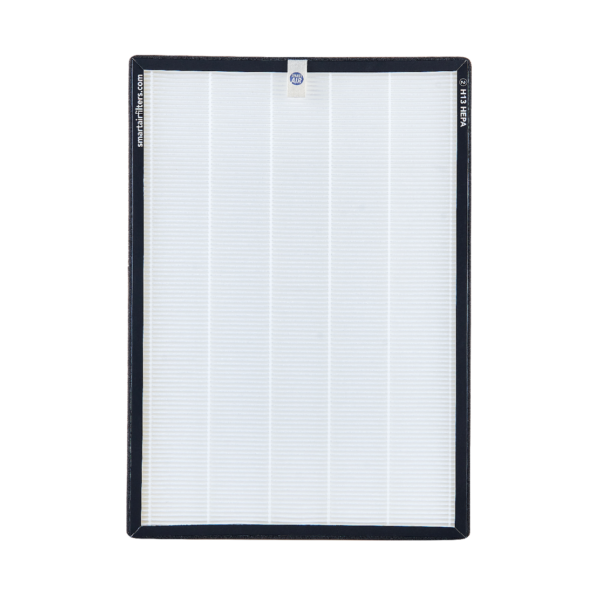

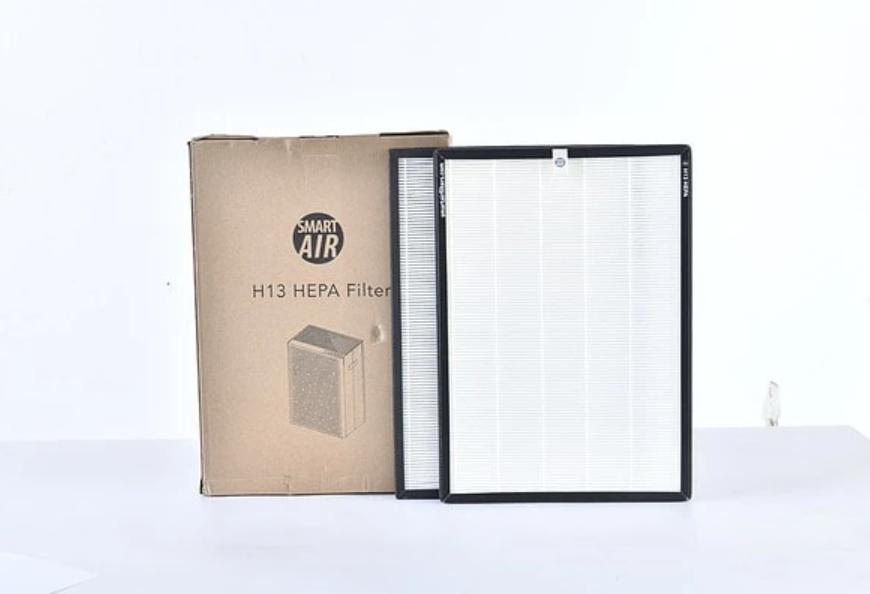
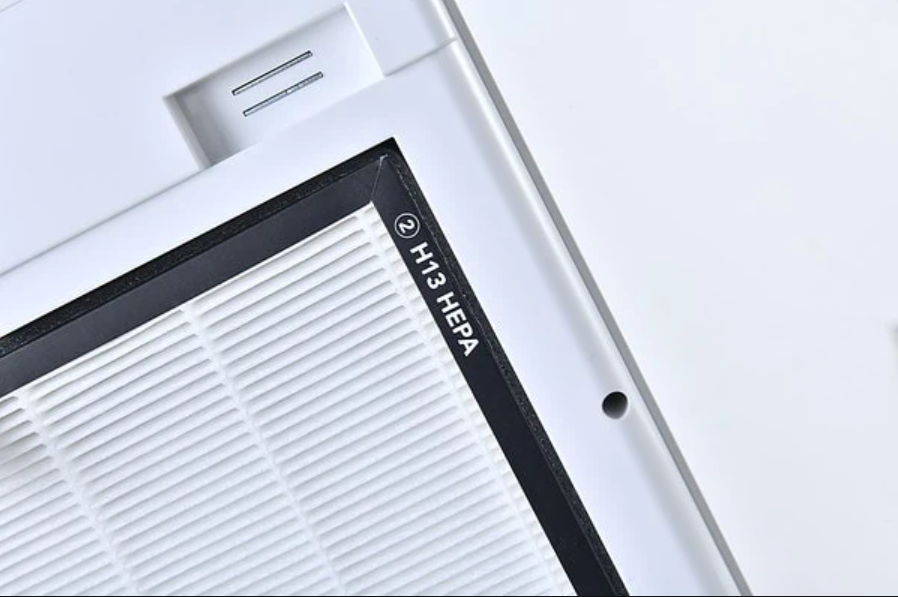
Description
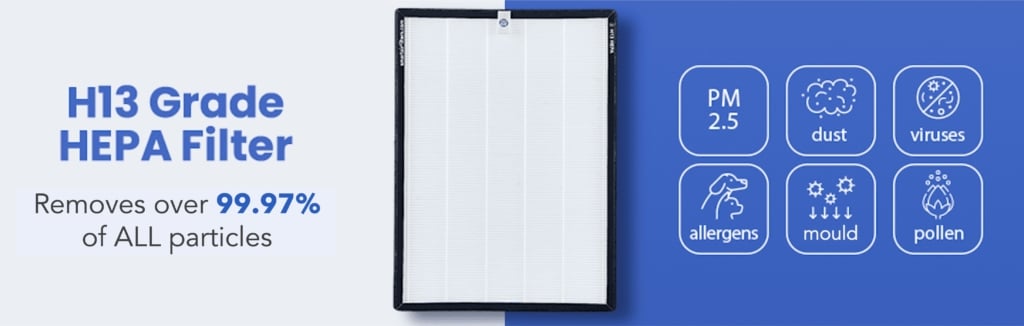
HEPA Filter - FAQs
When should I replace the HEPA filters in my Smart Air Purifier?
The HEPA filter lifespan varies for each purifier. You can find the recommended filter replacement time in each of our air purifier manuals. However, lifespan also varies depending on where you use your purifier, how dirty the air is, and how often you turn it on every day. That’s why we make sure to run real-world tests on all our purifiers, and provide a HEPA filter lifespan calculator to help you calculate how often you need to change your HEPA filter for your exact situation.
Why do my HEPA filters smell?
The HEPA filter is made of non-toxic PP/PET material. A new filter may have a faint scent from the glue which is also non-toxic. After being used in the purifier for 2-3 days, this scent will fade away.
If the filter is left unused for a period of time with no wind passes through, the excessive moisture in the air will aggravate the breeding of bacteria, which produces acidic smell when turning on the model again.
In this case, you can turn on the machine and let the wind blow through several times, or put the filter under the sun for a few days. If all the above does not work, it is recommended to replace the filter.
Why not use a higher grade HEPA filter?
Smart Air’s current HEPA filter is selected from more than 20 different pricings and different purification efficiencies after many experiments and comparisons. A higher grade filter with a higher purification efficiency also means lower airflow. Thus, we combined the fan power and effectiveness to select the current filter. See here for more details: https://smartairfilters.com/en/blog/weaker-filter-stronger-purifier/
Does HEPA filter efficiency decrease over time and with age?
This question is answered in two ways:
- Over time, HEPA filters actually get more effective at capturing tiny particles. As a HEPA filter gets used, it gets filled up with dirt and particles. This improves the HEPA filter’s ability to filter out the air.
- As a HEPA filter gets more and more clogged up with particles, the resistance to air passing through the filter also increases. This means that although the filter is better at capturing particles, it’s more difficult for air to pass through it.
Overall, these two factors mean that a HEPA filter’s overall ability to clean a room (or the air purifier’s airflow and CADR) does decrease over time and with use.
Does Smart Air recycle filters?
For now, we don’t provide recycling service, because there is no proper way to do so. We tried to make the filters as environmentally friendly as possible. For example, we replaced metal frames with biodegradable cardboard. We also make sure to only use certified environmentally friendly glue in our filters, and to reduce the amount of glue without compromising on cleaning efficiency. E.g. for the Blast and Blast Mini filters, when we switched from metal to cardboard frames, we also reduced the total glue used, being even more environmentally friendly!
Delivery Information
Warranty
No warranty information available.